
The role of barbed wire in agriculture
The history and types of barbed wire and its role in modern agriculture.
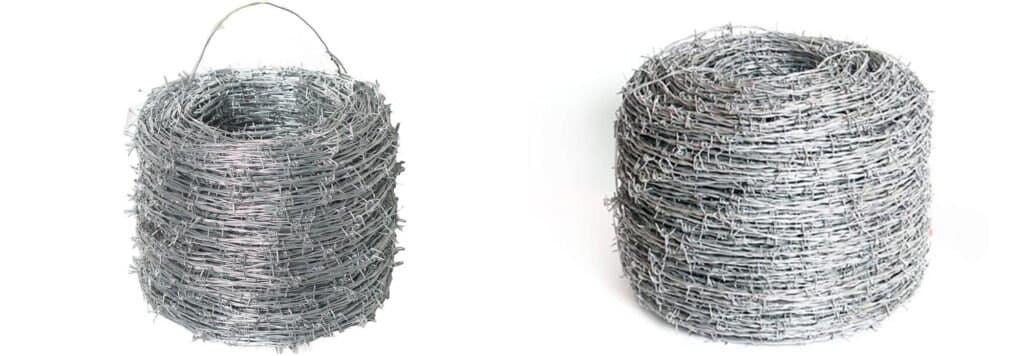
In the heart of the countryside, where wide open spaces and fields dominate the landscape, a seemingly unremarkable invention played a decisive role in shaping the agricultural industry. In this article we explore the history, types, uses and enduring importance of barbed wire in modern farming.
In 1873 Joseph Glidden, a farmer from Illinois, patented the first commercially successful barbed-wire design. His invention consisted of twisted double strands of wire with sharp barbs spaced evenly along their length. This innovation revolutionised the field and quickly won favour among farmers and ranchers. The wire was affordable, easy to install and highly effective at containing livestock and preventing predator attacks.
Over the years various types of barbed wire were developed to meet different agricultural needs. The most common types are:
Single-strand barbed wire: this basic form of wire consists of a single strand with evenly spaced barbs.
Double-strand barbed wire: consists of two parallel wires whose barbs are spaced apart at regular intervals. This design provides greater durability and security and is commonly used to enclose large territories, lasting a very long time.